Hormone replacement therapy in Miami, built on your labs.
Dr. Jesse Morse treats low testosterone and the hormone changes of menopause with a plan built from your symptoms and lab work, then rechecks your labs to keep levels in a healthy range.
Who it's for
Who hormone therapy may help
- [1]
Low testosterone
Fatigue, low drive, and lost muscle, with low testosterone on labs.
- [2]
Menopause
Hot flashes, poor sleep, and other symptoms of changing hormones.
- [3]
Energy and recovery
Slow recovery and low energy linked to hormone changes.
The basics
What hormone replacement therapy is
Hormone replacement therapy restores hormones the body is no longer making in sufficient amounts, most often testosterone in men and estrogen and progesterone in women around menopause. It can be given as injections, gels, patches, pellets, or pills, depending on the hormone and the person.
Many hormone products are FDA-approved; compounded bioidentical hormones are not. Dr. Morse bases every plan on your symptoms and lab results, explains the benefits and risks, and rechecks labs to keep levels in a healthy range.
How it works
Four steps with Dr. Morse
- 01
Consultation
Your symptoms, history, medications, and goals.
- 02
Lab work
A hormone panel and safety labs to confirm whether treatment fits.
- 03
Your plan
Which hormone, which form, and what dose.
- 04
Monitoring
Follow-up labs and adjustments to keep levels in a healthy range.
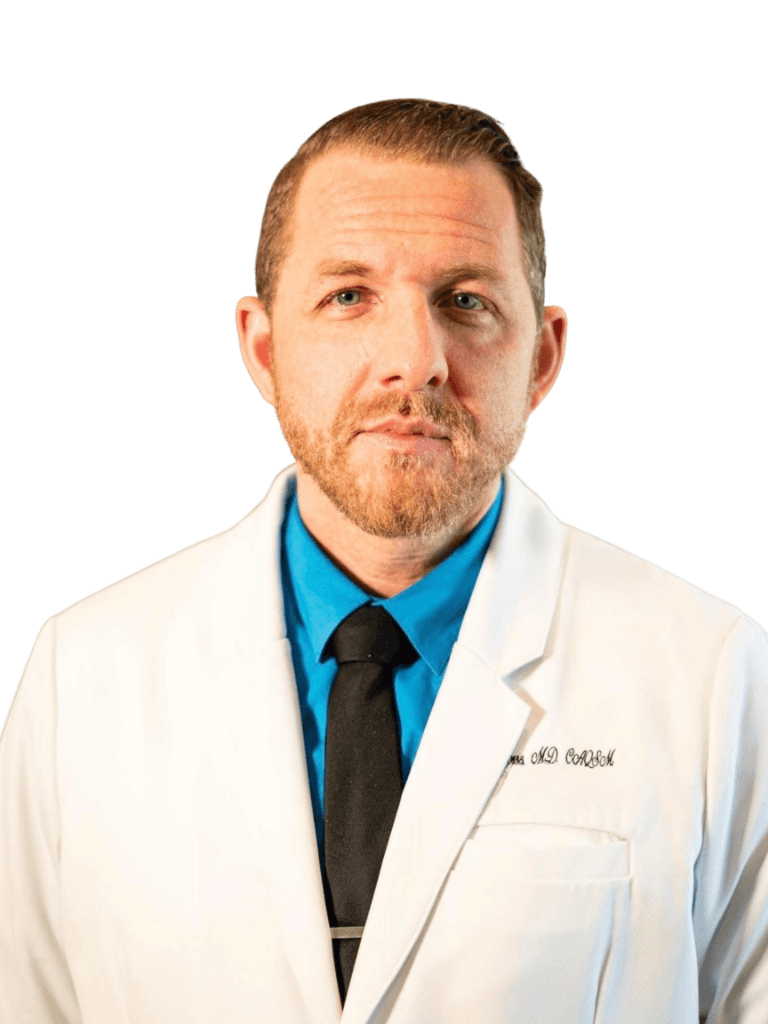
 Dr. Jesse Morse
- Board-certified, American Board of Family Medicine
- Family & Sports Medicine (CAQSM)
Your physician
Meet Dr. Morse
I combine established sports medicine with functional strategies, and hormone health is often part of the picture for patients dealing with fatigue, slow recovery, or changes with age.
Every plan starts with your symptoms and your labs, and follow-up labs show whether it is working.
See Dr. Morse in Miami, or online
The Osteopathic Center
For exams, procedures, prescriptions and longer consultations, call the clinic to book with Dr. Morse.
3915 Biscayne Blvd, Suite 406Miami, FL 33137
Online consultation
A one-on-one video call with Dr. Morse for patients located in Florida or Tennessee, where he is licensed. Pick a time and pay when you book.
- Book
30 minutes · $300
Focused questions, a second opinion, or initial direction.
- Book
60 minutes · $600
A full review of your history, goals, and treatment options.
By booking, you agree to the Terms of Service and Privacy Policy.
FAQ
Frequently asked questions
Common questions about hormone replacement therapy with Dr. Morse.
Do I need lab work before starting hormone therapy?
Yes. Labs confirm whether hormone levels are actually low and set a baseline, along with safety labs such as a blood count. Follow-up labs then guide the dose.
What is the difference between bioidentical and FDA-approved hormones?
Bioidentical means the hormone has the same structure as the one your body makes. Several FDA-approved products are bioidentical. Compounded bioidentical hormones are custom-made by pharmacies and are not FDA-approved.
What are the risks of hormone replacement therapy?
Risks depend on the hormone, the dose, and your health history. Testosterone can raise red blood cell counts and reduce fertility, and the risks of menopause hormone therapy depend on age, timing, and the type used. Dr. Morse reviews your risks before you start and monitors with labs.
How long until I notice a difference?
Some people notice changes in energy, sleep, or mood within a few weeks; others take a few months. Follow-up visits and labs track your progress.
Does insurance cover hormone replacement therapy?
Some FDA-approved hormones and lab work may be covered depending on your plan; compounded hormones usually are not. The clinic can confirm before your appointment.
What treatments pair well with hormone replacement therapy?
Hormone health is often part of a broader plan that may include peptide therapy for recovery and sleep, or PRP injections and other orthobiologic injections for joint and tendon problems.